Boerderij Uniek leven
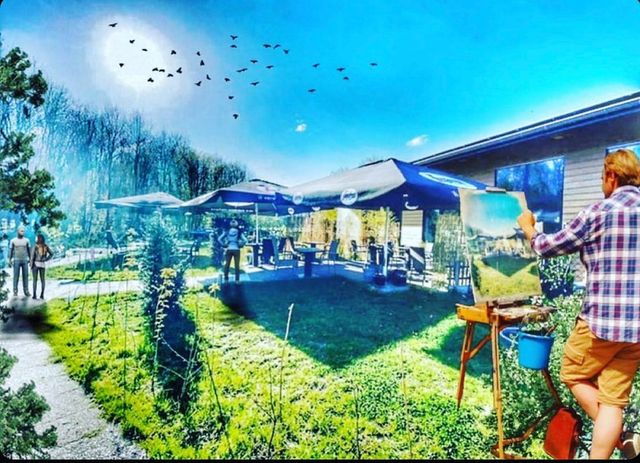
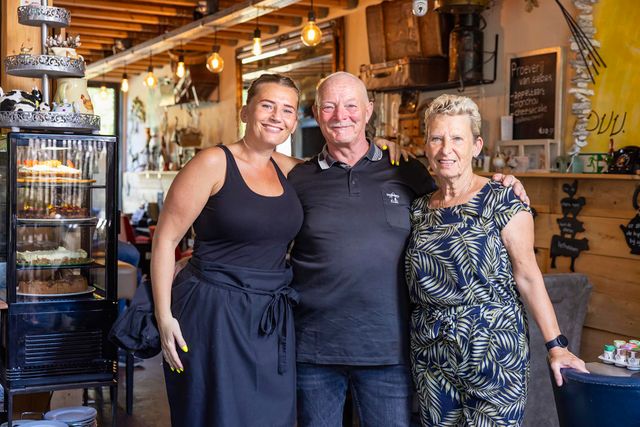
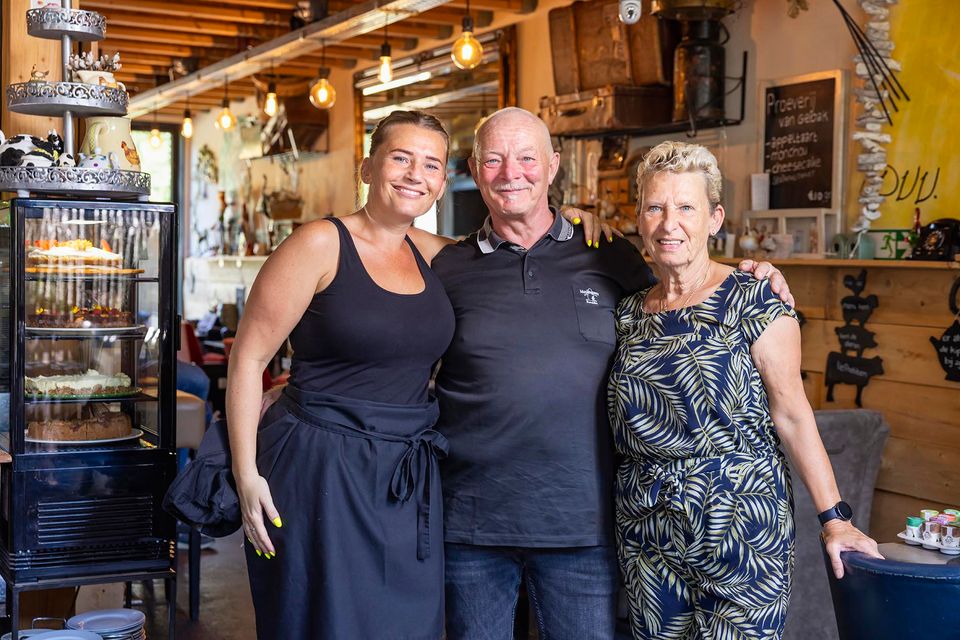
Boerderij Uniek Leven is a teahouse/lunchroom in the new district of Oosterwold where you can enjoy the nice atmosphere, the surroundings and the delicious home-made products. Uniek Leven uses as much homegrown produce as possible in its dishes and pastries. It has been allowed to call itself organic for more than 4 years and therefore carries the Skal certificate.
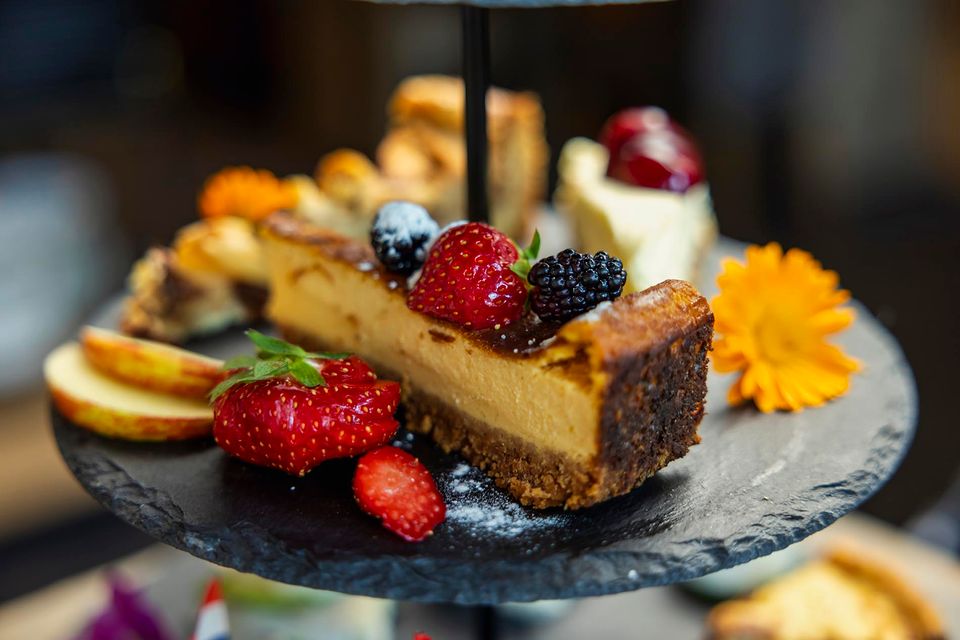
You can go there for an organic beer, wine or Prosecco and are known for the pastries, drinks board, pastry tasting, delicious pantostis, fresh sandwiches and when booking High Tea.
On weekdays, we work with unique employees. Unique ...
Boerderij Uniek Leven is a teahouse/lunchroom in the new district of Oosterwold where you can enjoy the nice atmosphere, the surroundings and the delicious home-made products. Uniek Leven uses as much homegrown produce as possible in its dishes and pastries. It has been allowed to call itself organic for more than 4 years and therefore carries the Skal certificate.
You can go there for an organic beer, wine or Prosecco and are known for the pastries, drinks board, pastry tasting, delicious pantostis, fresh sandwiches and when booking High Tea.
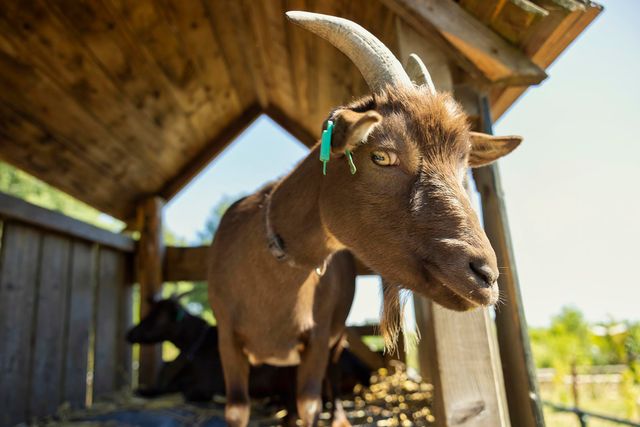
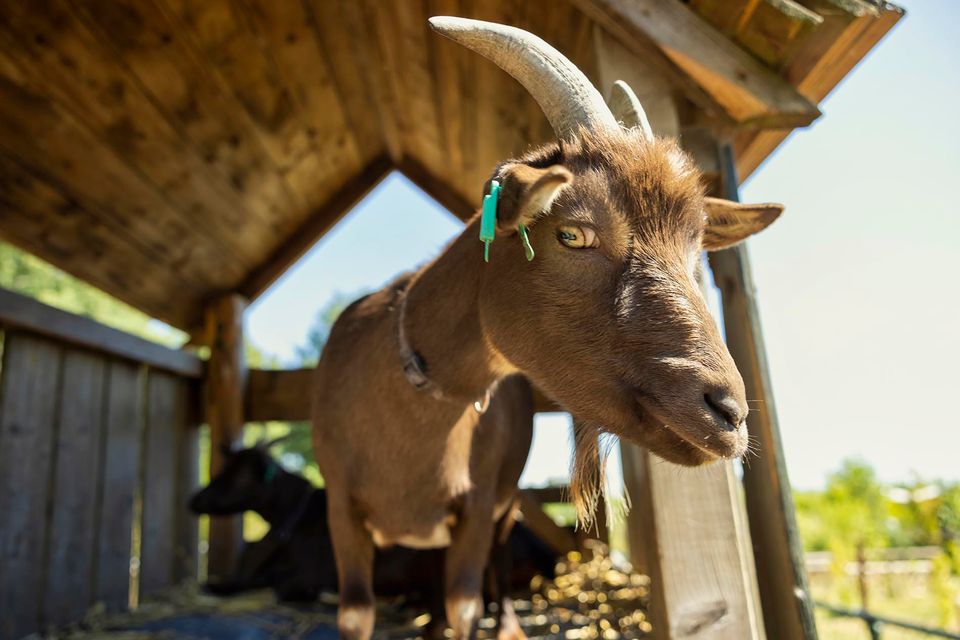
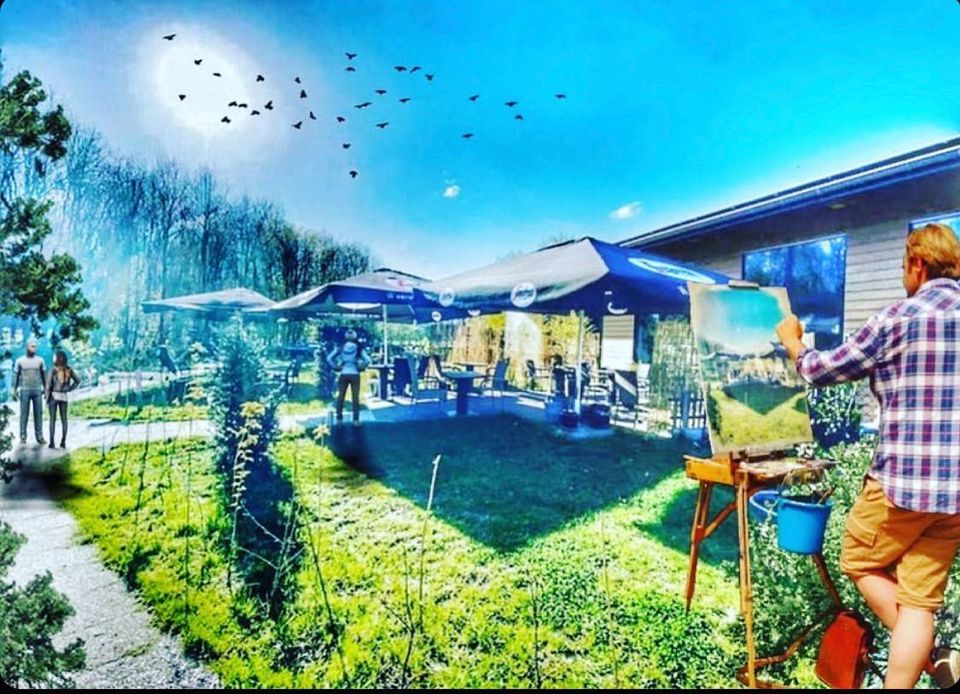
During the week, Unique Life works with unique employees. Unique Living provides a safe place for these employees with a work-oriented daytime activity. Outside the teahouse, you can also walk around in the orchard, vegetable and berry fields, not to mention the special herb garden "De Kruidenreus". You can also visit the beehive, the animal pasture and take a book from the library. On the grounds, you will also find Brocante in "Malle Annie's" Pipowagen. Weddings can also be organised, where it is possible to get married in the landscape artwork "The Green Cathedral". Parking is possible at the Cathedrals place at the end of the Cathedrals path.
Sustainable entrepreneur

At Boerderij Uniek leven , sustainability is paramount!
-
Waste & circularity
Waste is carefully separated. No disposable products are used in the teahouse and the lunchroom. No plastic materials are used in the catering industry. This actively contributes to reducing waste and limiting environmental impact.
-
Sustainable sourcing & materials
Where this does not affect guests' hygiene, disposable products are used as little as possible. Since corona, disposable hand towels and straws are used, with FSC or PEFC labels. For hygiene and health reasons, reusable cloth towels or washable straws are no longer used.
-
Energy & climate
There are 70 solar panels on the premises. Inside and outside, LED lighting is used, partly powered by solar panels. The premises use two air-source heat pumps. As far as possible, the refrigeration equipment has energy label A+ or higher, contributing to energy-efficient and sustainable operations.
-
Mobility & accessibility
The location is located at cycle junction 42 and is connected to four cycle routes. In addition, buses stop at the cycling and walking bridge on Waterlandseweg. The site is next to the land art work De Groene Kathedraal, which makes the place extra attractive to visitors.
-
Nature & biodiversity
The location has had the independent Skal certificate for six years and can call itself organic. On the premises are small fruit gardens, an orchard and herb garden De Kruidenreus. Nest boxes, bee hives and insect hotels enhance biodiversity. Native hedges and branch rills provide shelter, while landing posts attract buzzards that control the mouse population.
-
Social sustainability & inclusion
On Thursdays and Fridays, the location acts as a care farm. On Friday mornings, volunteers work in herb garden De Kruidenreus. In cooperation with Aeres MBO, a work-study is offered to students with additional support needs. It is also possible to book a package including a tour of De Kruidenreus and a visit to De Groene Kathedraal.
-
Food & drink
The menu is seasonal and uses homegrown produce such as mint, herbs, pumpkins, apple juice and honey from the land whenever possible. In addition, (non-alcoholic) beer and vegan wines are served, befitting a conscious and sustainable hospitality formula.
-
Water saving & water management
The black water is purified via a helophyte filter and a membrane installation. After this treatment, the waste water is suitable for reuse, such as toilet flushing and watering the plants on the site. Thus, water is used in a sustainable and circular way.